Multiple interrelated factors likely contribute to rosacea, including: Genetic susceptibility 2 Immune dysregulation, with increased inflammatory signaling and increased numbers and activation of mast cells (immune cells that produce histamine) 2 Abnormal nerve-blood vessel interactions, frequently triggered by stimuli such as temperature change, exercise, sunlight, spicy food, alcohol, and stress 2,10 Imbalanced facial skin microbiome, with increased presence of Demodex species (ie, microscopic parasitic mites that live in human hair follicles as members of the normal skin microbial community) 2,10,11 4 How is Rosacea Diagnosed
Your fertility physician will be able to give you advice on medications and supplements that negatively affect sperm or sexual function
They work on very different levels of the healing cascade.
LaMoia and Shulman, 2021) has raised doubts about the physiological relevance of these processes
Demonstration of thiopurine methyltransferase activity in the erythrocytes of cats
doi: 10.3389/fphar.2024.1353626



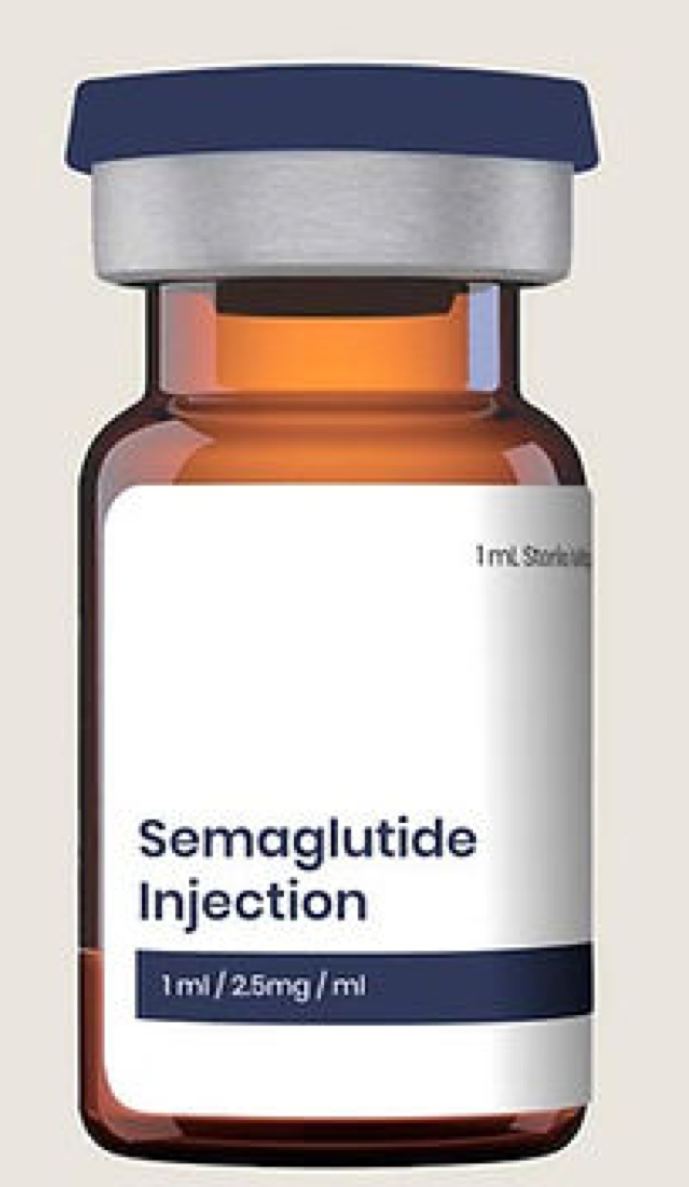





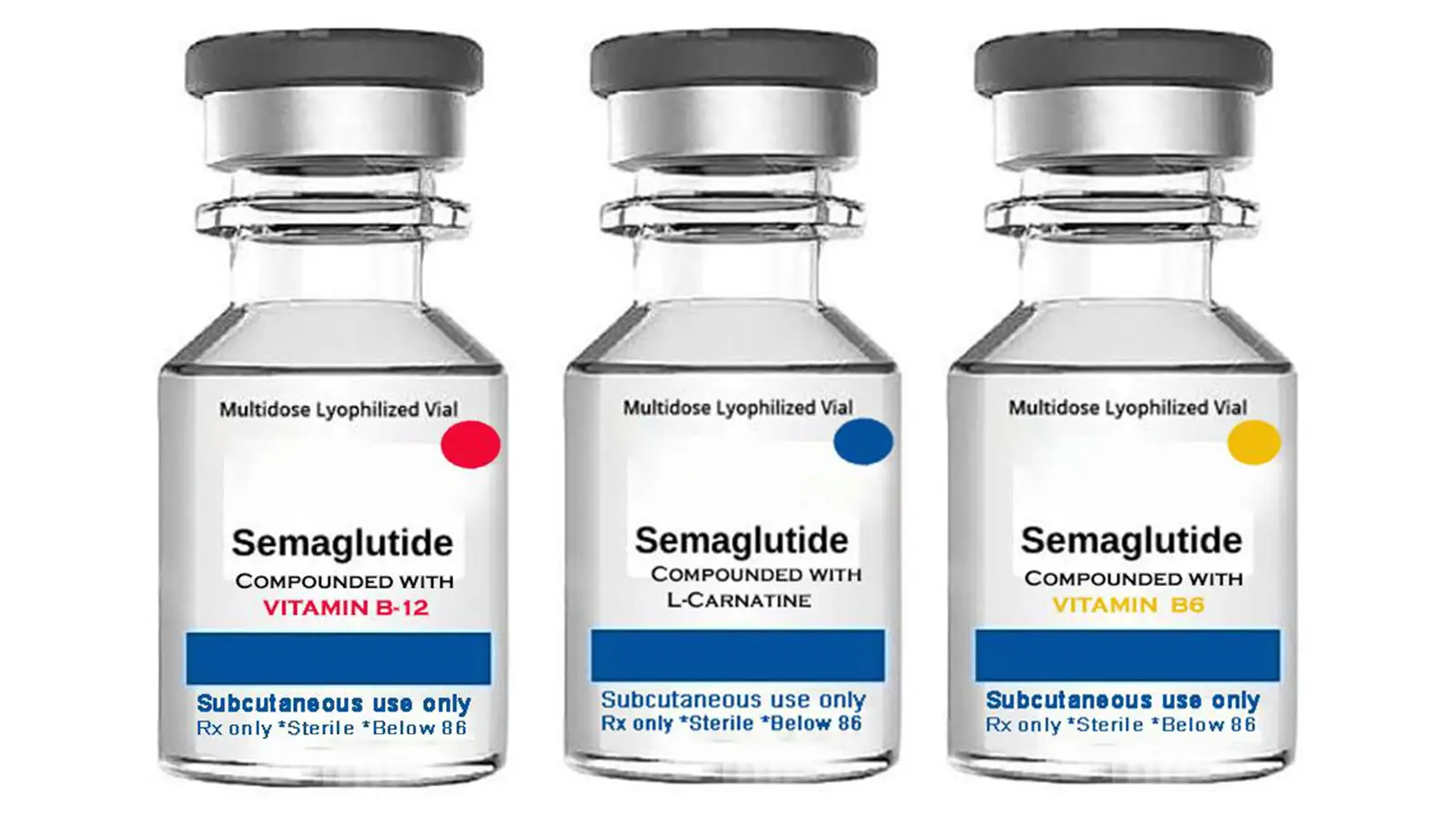
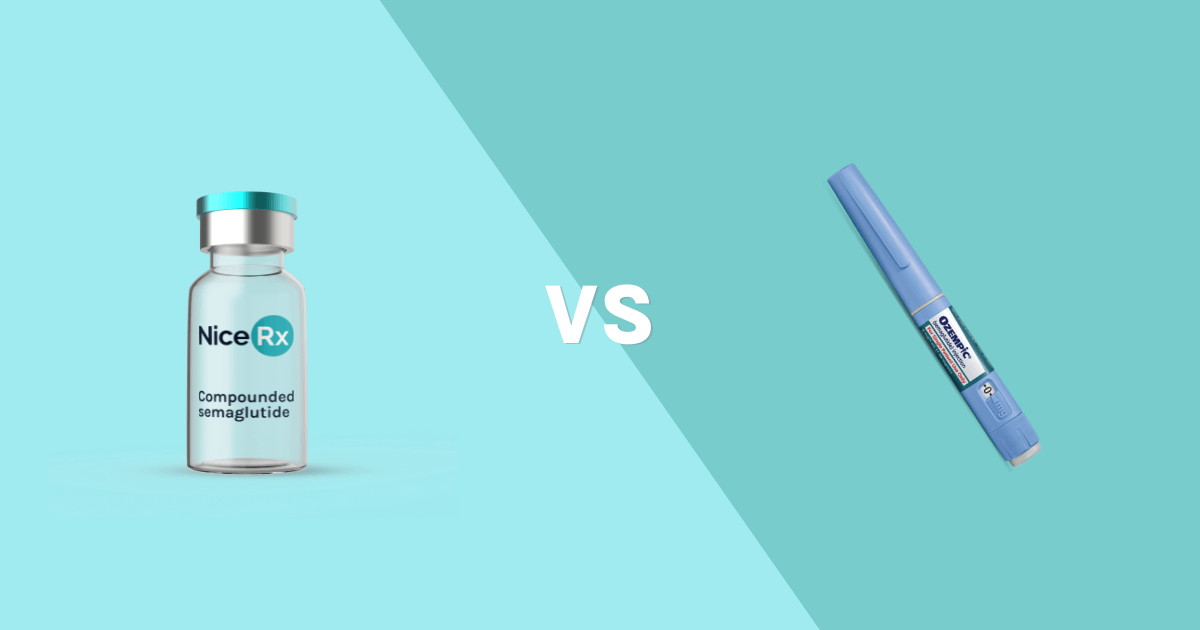
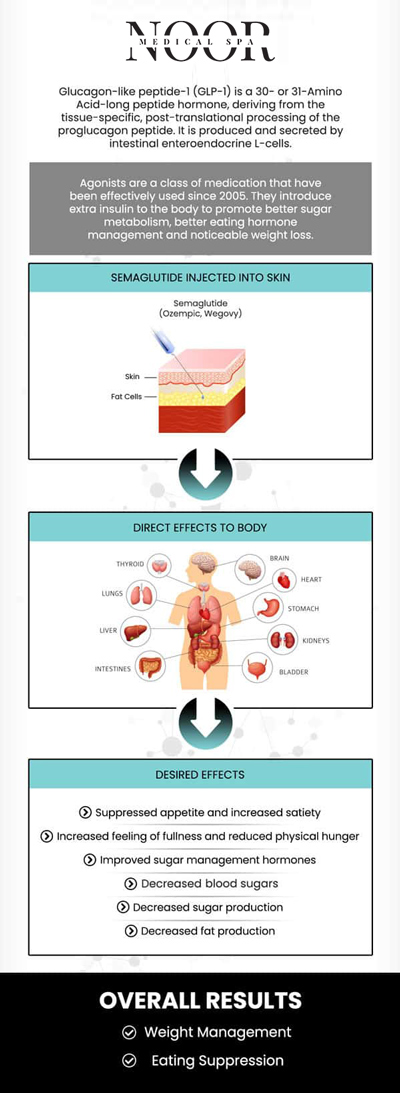
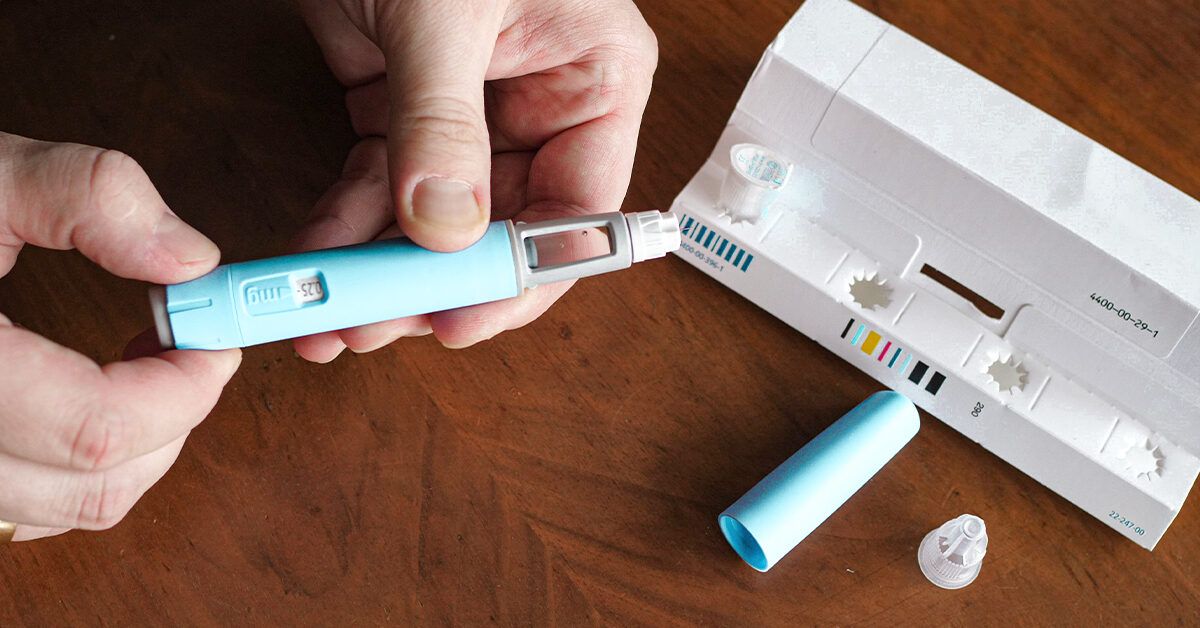
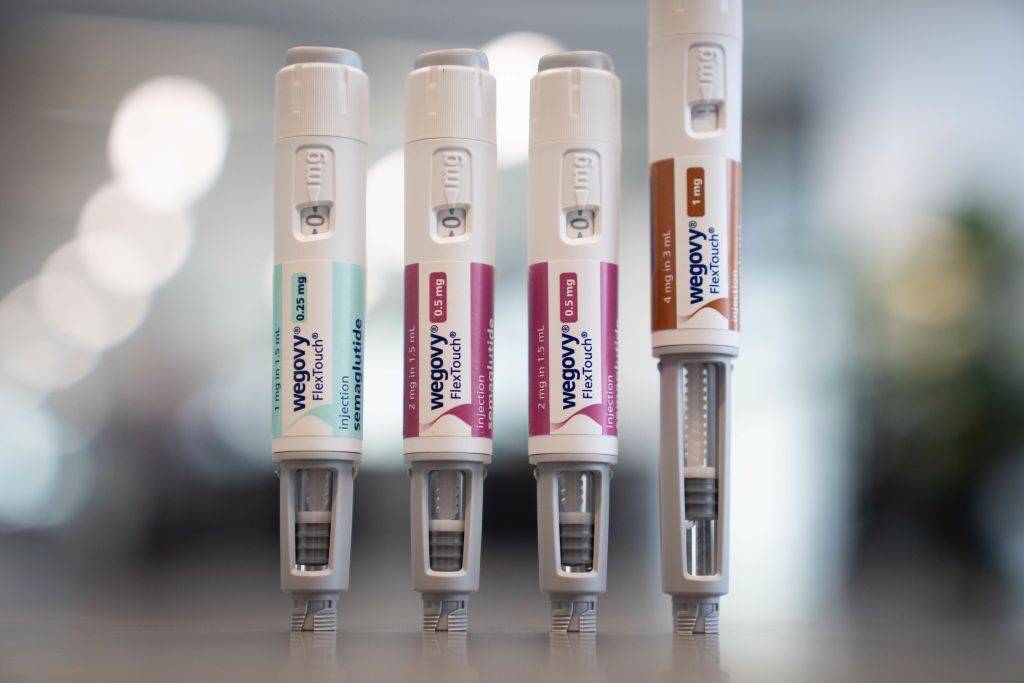
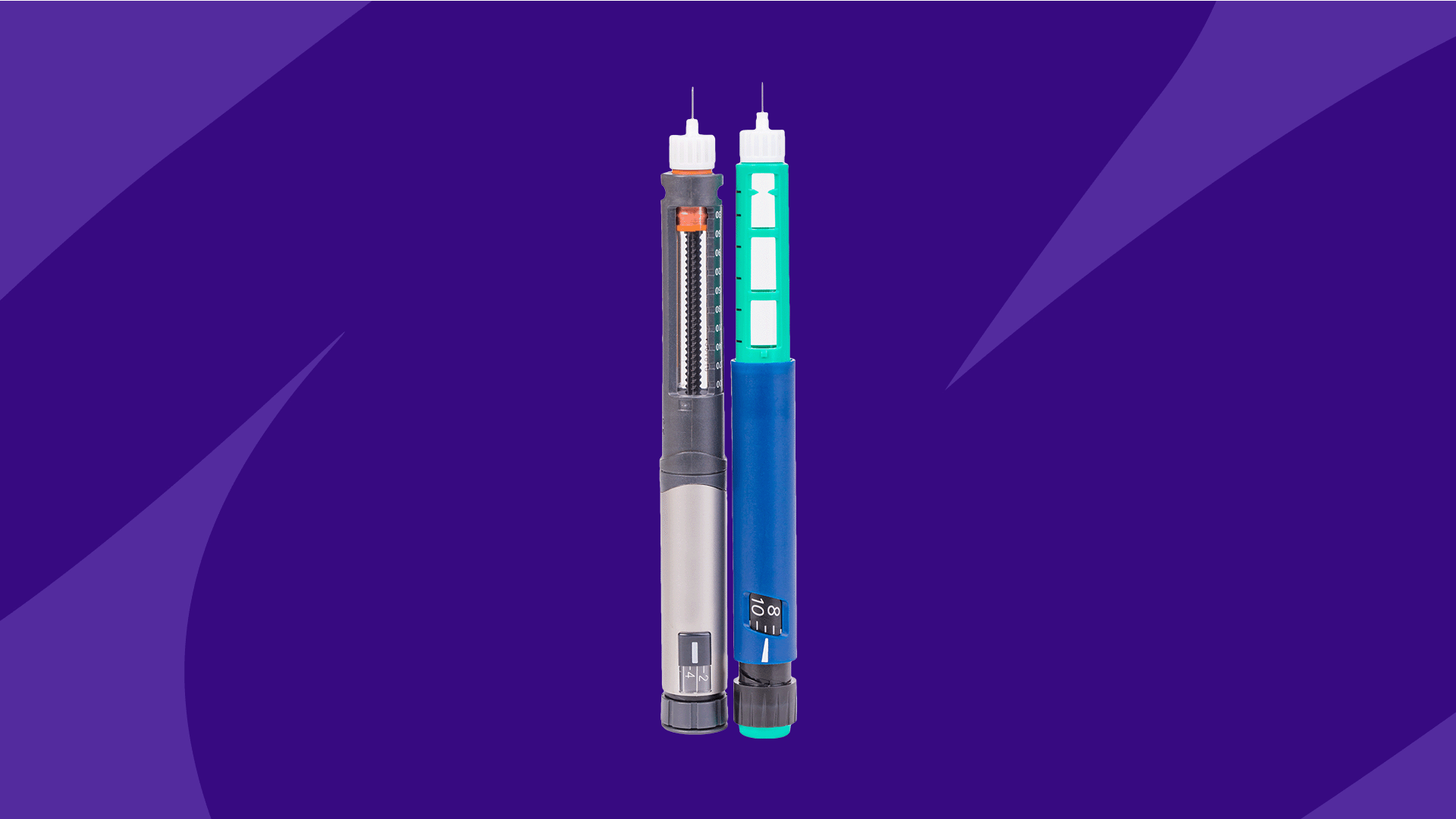
![GLP-1 Weight-Loss Medication Glucagon-like peptide-1 (GLP-1) receptor agonists (semaglutide [Wegovy, Ozempic, Rybelsus]) and dual incretin agonists (tirzepatide [Zepbound, Mounjaro]) are popular treatments for obesity. The authors discuss the kind of](https://lookaside.fbsbx.com/lookaside/crawler/media/?media_id=1050961973852737)


