TLRs accomplish this feat in a process that goes something like this: You see, each species or strain of pathogen has its own unique structure or molecular pattern known as pathogen-associated molecular patterns or PAMPs As these pathogens make their way throughout your body, they inevitably bump into your cells including mast cells Your mast cells (and other immune cells) contain a variety of receptors capable of recognizing specific pathogen patterns including toll-like receptors When pathogens bump into mast cells' TLRs, these receptor sites essentially detect and latch onto the microbes' pathogen-associated molecular patterns Once a PAMP is bound to your mast cells' toll-like receptor, your cell releases molecules that launch your immune system into action and activate other immune cells Most microorganisms (including viruses, fungi, bacteria, and protozoa) express PAMPs meaning TLRs are able to sense just about any infection we might encounter

Excess T3 increases -adrenergic receptor density in cortical and limbic regions, amplifying catecholamine responses and contributing to hyperarousal (9092)
Metzendorf C, Lind MI
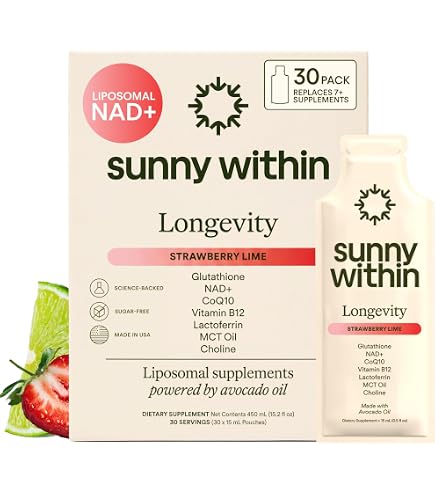
Free Shipping on All Orders above 900 Description Additional information Description Glutathione and Vitamin C gives brighter skin complexion Antioxidant can neutralize free radicals that is harmful to skin and immune system Glutathione is a cellular antioxidant that eliminates body of the free radicals, thus improving immunity Responsible for controlling melanin levels in the body Promotes Glowing , younger and healthier skin Key Ingredient L-Glutathione tri peptide form, Vitamin C, Glutathione Direction of Use 2 Capsules a day after breakfast & dinner Safety Information Do not exceed more than recommended dosage Keep reach out of children FAQ Glutathione is very effective in preventing hyperpigmentation and post hyperpigmentation spots and/or discoloration on the skin
A vitamin injection for weight gain is most effective when it addresses a specific nutritional gap that is hindering healthy weight gain
Investigations commonly evaluate how peptide fragments derived from human growth hormone interact with metabolic pathways involved in energy regulation