Sulforaphane and its methylcarbonyl analogs inhibit the LPS-stimulated inflammatory response in human monocytes through modulating cytokine production, suppressing chemotactic migration and phagocytosis in a NF-B- and MAPK-dependent manner
Etiology The human gamma-glutamyl transpeptidase gene family is composed of at least seven different gene loci and several of them are located on the long arm of chromosome 22 [9]

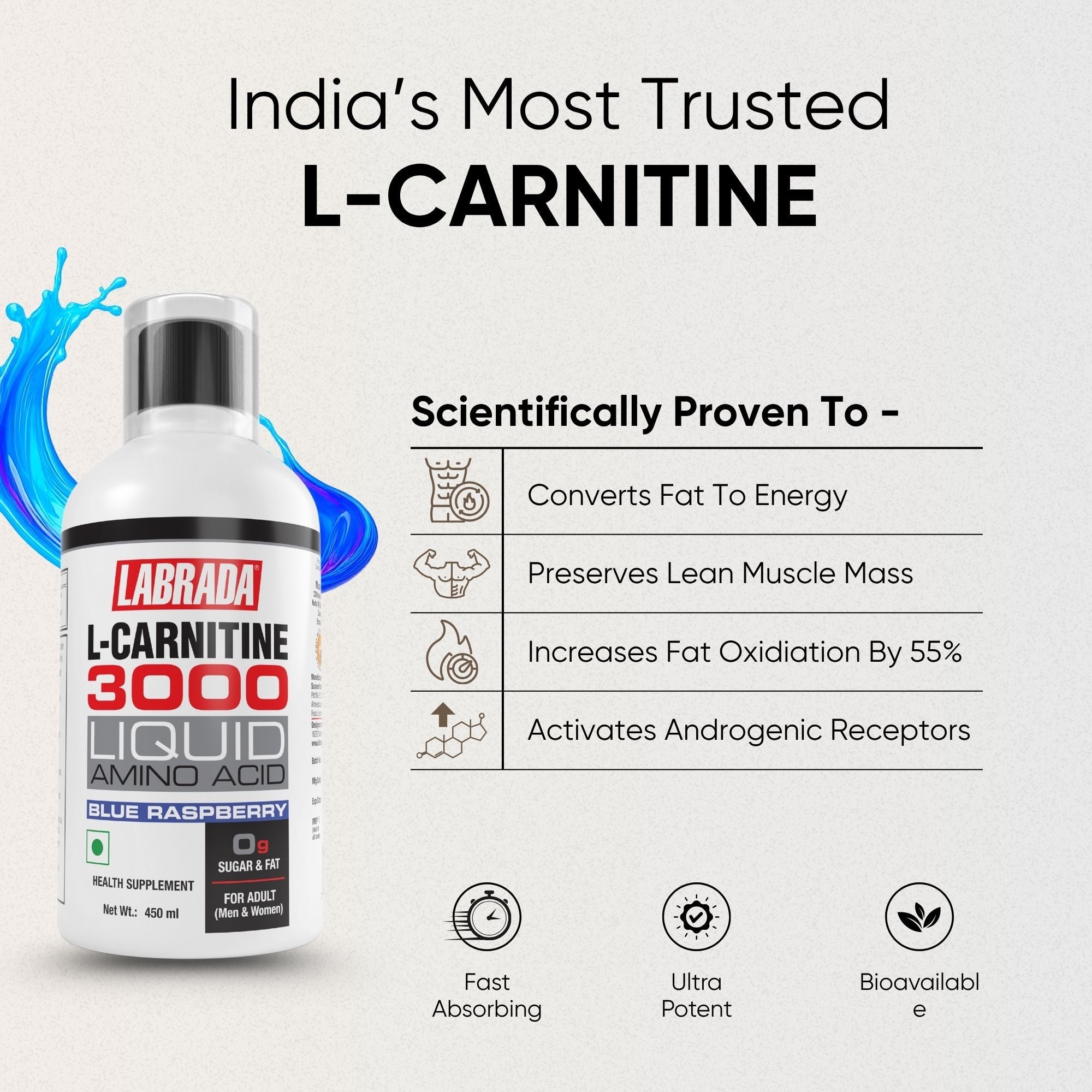
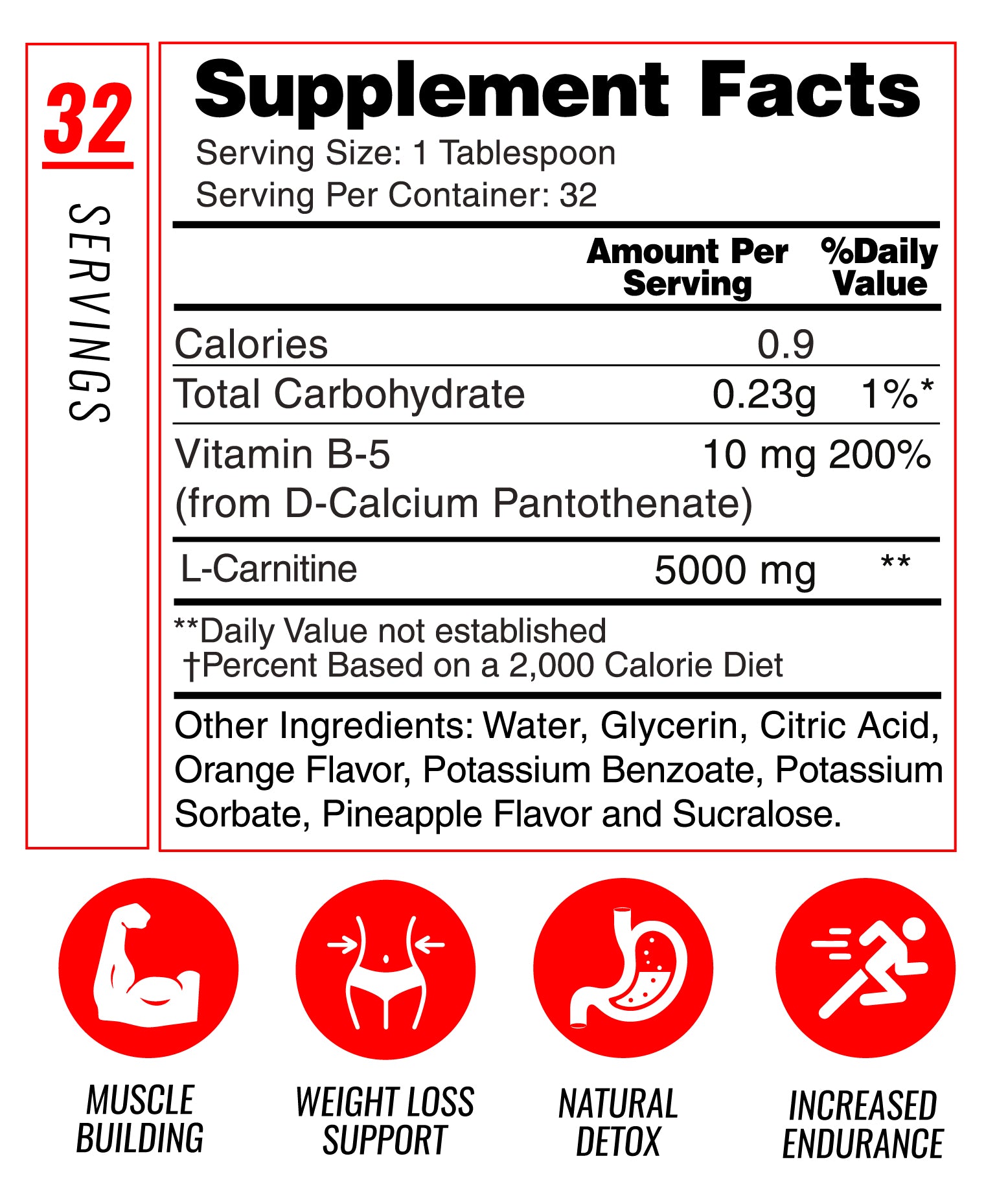
Here's what the research actually shows: The European Food Safety Authority (EFSA) has evaluated L-carnitine and confirmed that doses up to 3000mg per day are safe with no observed adverse effects Studies have used doses up to 6000mg daily in clinical settings without toxicity L-carnitine is water-soluble your kidneys can excrete excess amounts without it accumulating to dangerous levels Common side effects (if any) at higher doses: Mild nausea (usually disappears after 12 weeks) Loose stools initially (especially in first few days) A slightly "fishy" body odour in some individuals (this is rare and associated with a genetic condition called trimethylaminuria most people won't experience this) Who should be cautious: People with kidney disease (L-carnitine metabolism is kidney-dependent) Those on thyroid medication (some studies suggest interactions consult a doctor) Pregnant or breastfeeding women (consult a healthcare professional before use) People with existing heart conditions (though carnitine has actually been studied for cardiac benefits, professional guidance is still important) The key takeaway: 3300mg is a high dose but it is not an unsafe dose for a healthy adult

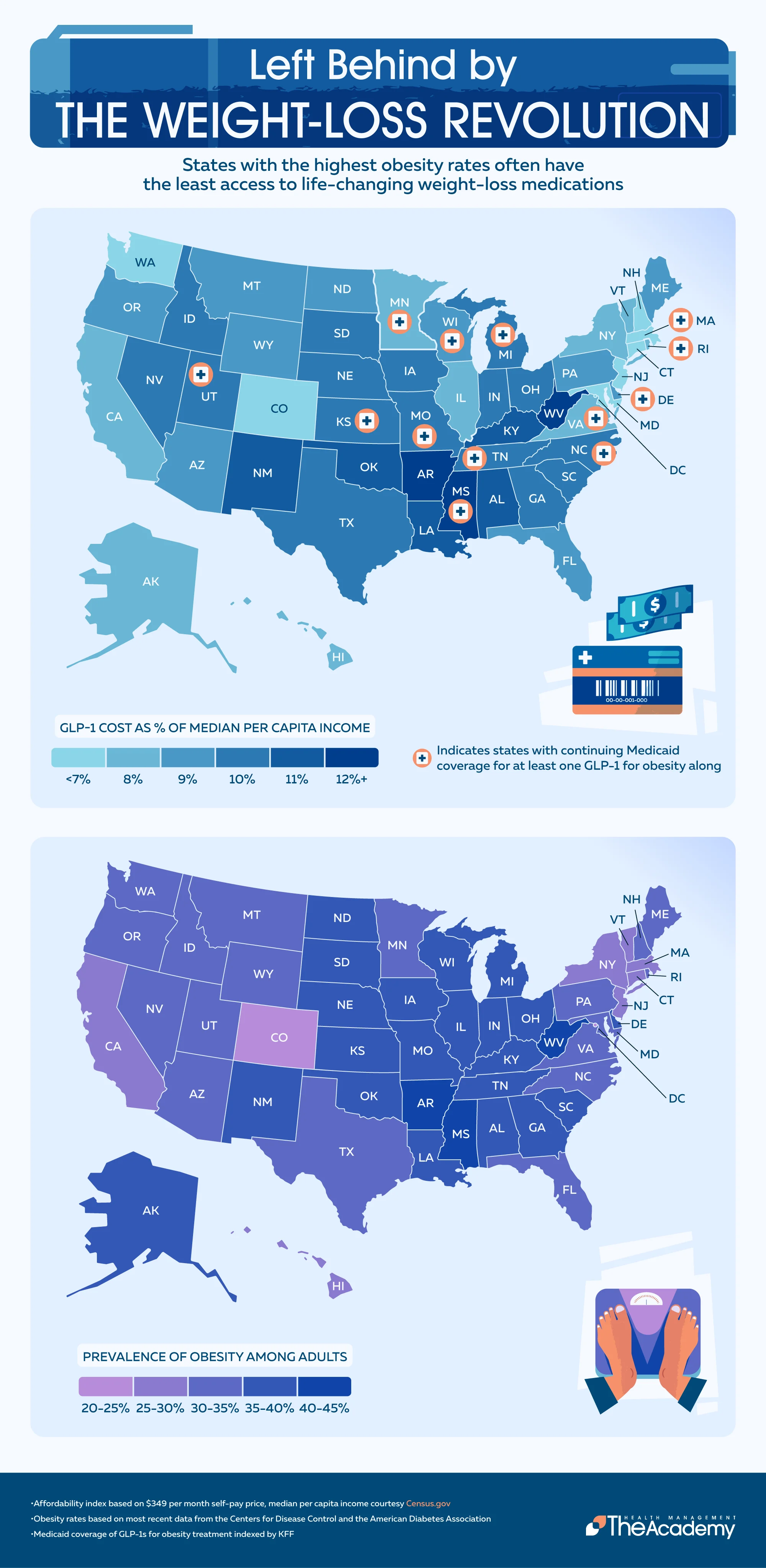
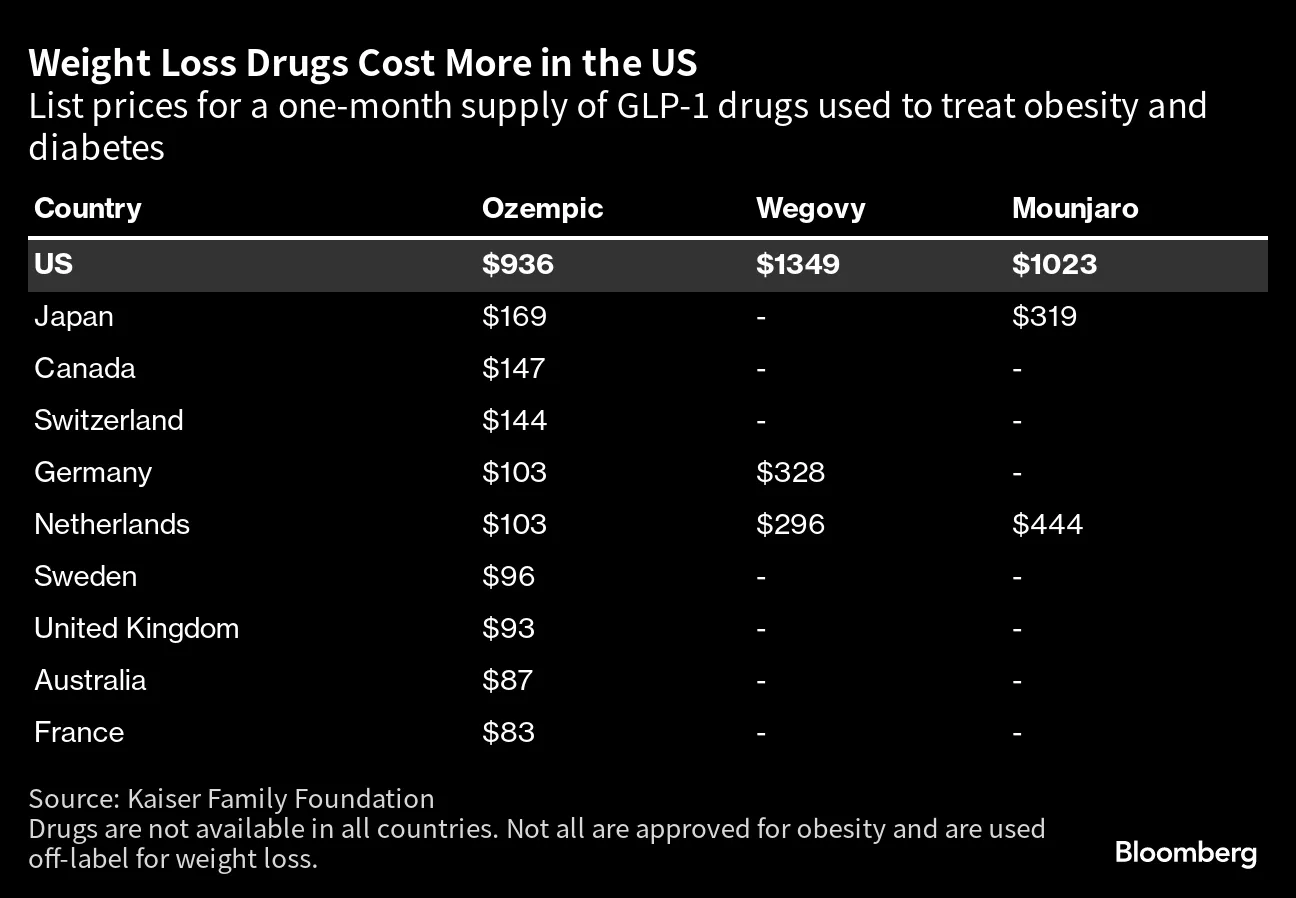
The GLP-1 created the metabolic conditions for fat loss, the tesamorelin preserved muscle mass, and the bioidentical hormones addressed the underlying perimenopause transition
Should Not Use Tesamorelin The FDA label lists several groups who should not use tesamorelin
Set realistic expectations for when you'll feel results