No fluff, no nonsense, no filler
Open research questions Important unanswered questions remain: the longterm cardiovascular implications of supplementrelated TMAO rises, optimal doseresponse in different age groups and sexes, and whether specific probiotics or conutrients can reduce gut conversion of carnitine to TMAO while preserving benefits
Fiber-rich foods are beneficial for a healthy digestive system
Modelling using treatment policy estimands, which are affected by the confounding effects of additional diabetes medications (both from the cost and efficacy perspective), favours treatments where patients receive rescue medication at greater rates and reduces the likelihood of semaglutides cost-effectiveness
Other drugs that are sometimes used, but lack supporting evidence, include anticonvulsants, erythromycin, L-carnitine, and coenzyme Q10
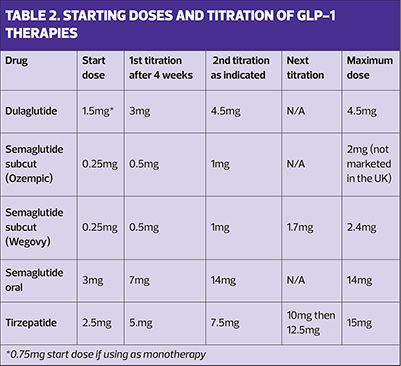
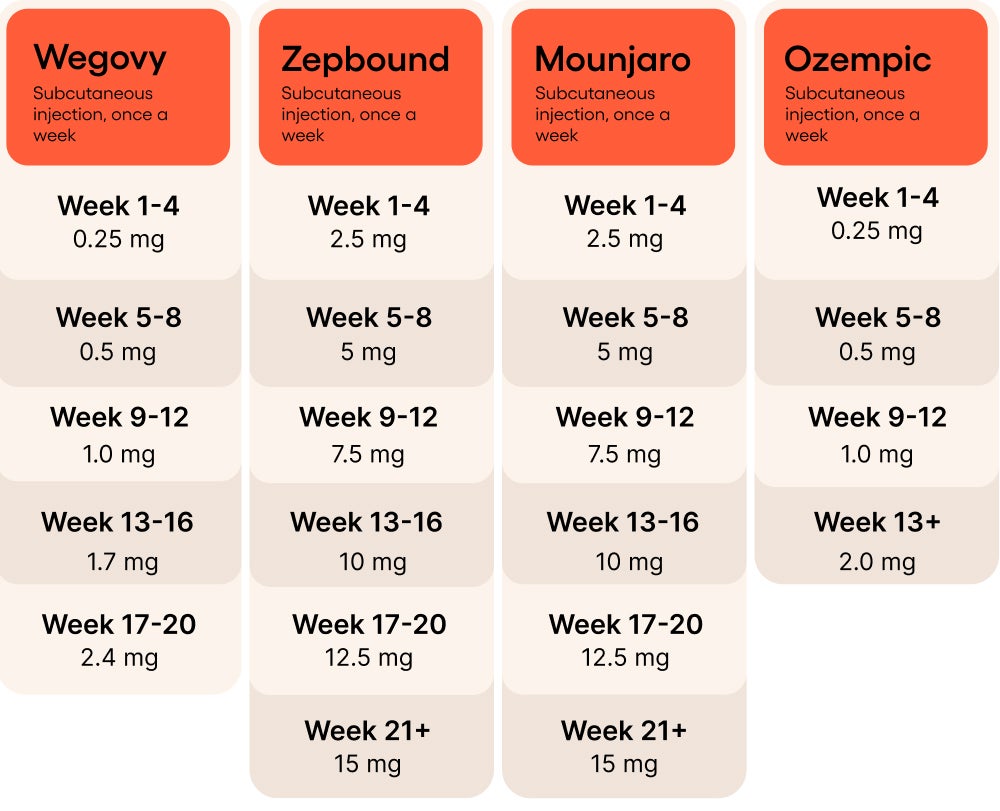
Ongoing phase 3 trials for weight loss in non-T2D individuals are now utilizing a similar dosing protocol to that of semaglutide, starting at 0.25 mg/week with gradual titration every four weeks, up to a maximum of 2.4 mg/week [11]