When food stays in the stomach longer, it can increase the pressure on the lower esophageal sphincter, allowing stomach acid to back up into the esophagus
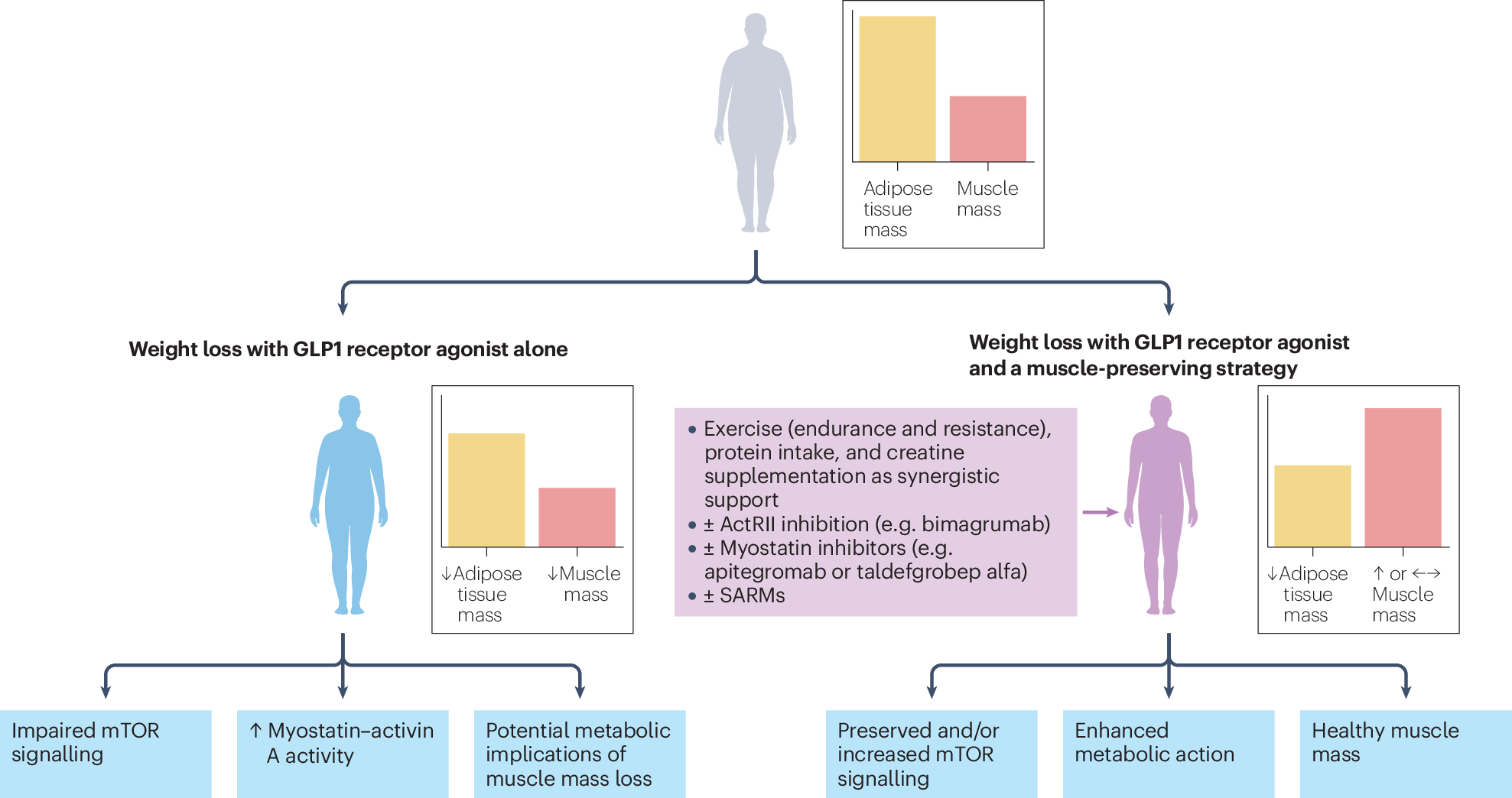
Optimizing the dosing, timing, and sequence of therapies is another hurdle, as improper administration could result in antagonistic interactions rather than synergistic benefits
Nitric oxide works in the body as an anti-inflammatory, antioxidant, neurotransmitter, and vasodilator
The most serious risk of TAO is optic neuropathy with vision loss
Rapid changes in food intake, hydration, and glucose patterns can create avoidable risks
Some animal studies suggest GLP-1 receptors are present in ovarian and uterine tissues, but the clinical significance in humans is not yet established