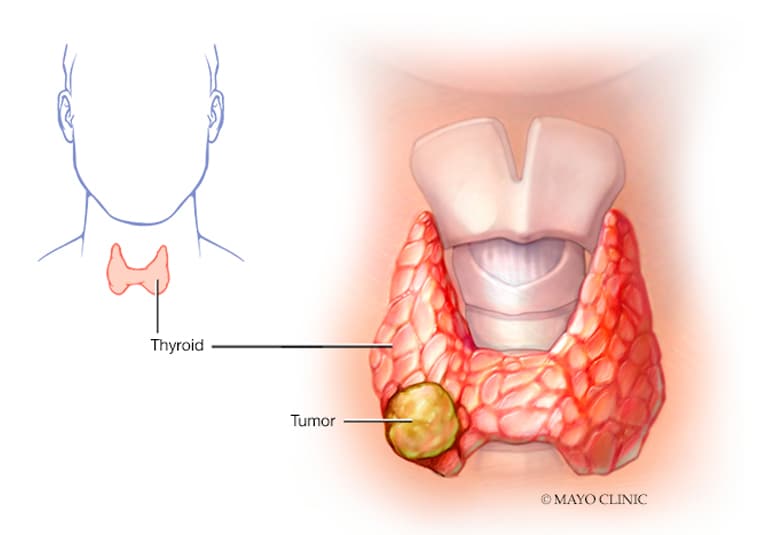
Common Side Effects Injection site reactions Headache Flushing Mild fluid retention Metabolic and Hormonal Considerations Potential alterations in glucose metabolism Elevated IGF-1 levels Theoretical risk of promoting tumor growth in predisposed individuals Key Limitation Most safety data comes from: Pediatric GH deficiency populations Adults with endocrine disorders There is limited long-term data in healthy, high-performing athletes

Prevention You can help to prevent nosebleeds by: Not picking your nose Being gentle whenever you blow your nose Not smoking Using a humidifier if your indoor climate is dry during the winter months Using a nonprescription saline nasal spray to moisturize the inside of your nose Applying a dab of nasal gel or petroleum jelly to the inside of your nostrils before bedtime Avoiding facial trauma by wearing a seatbelt and shoulder harness in the car and by using well-fitting headgear to protect your face during contact sports, such as football or karate Using protective equipment to avoid breathing irritating chemicals at work Treatment If you are bleeding from the front of your nose, begin by trying the following first-aid measures: Sit up (so your head is above the level of your heart), lean forward slightly and breathe through your mouth
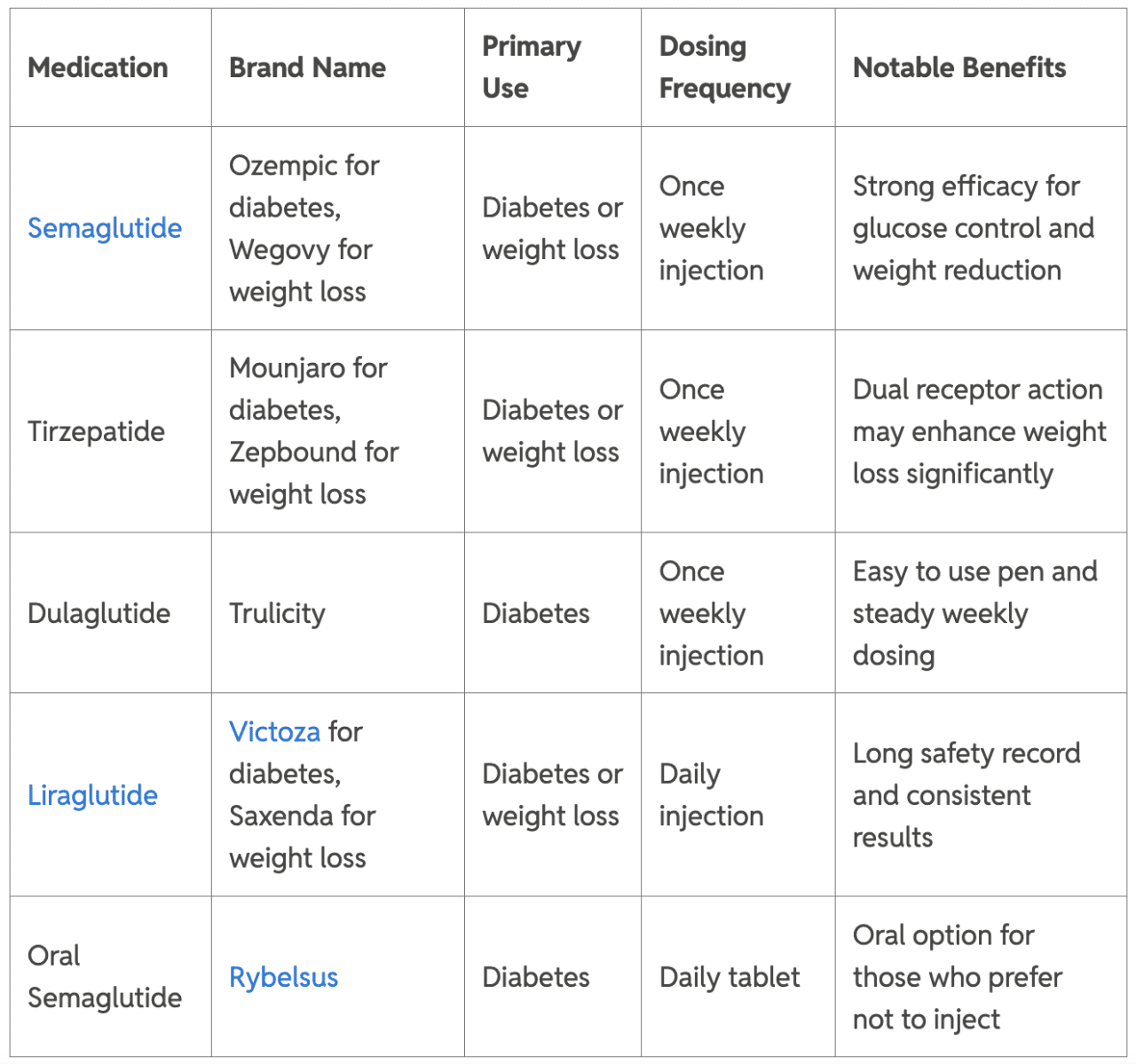
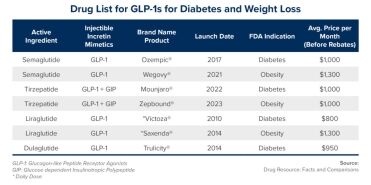
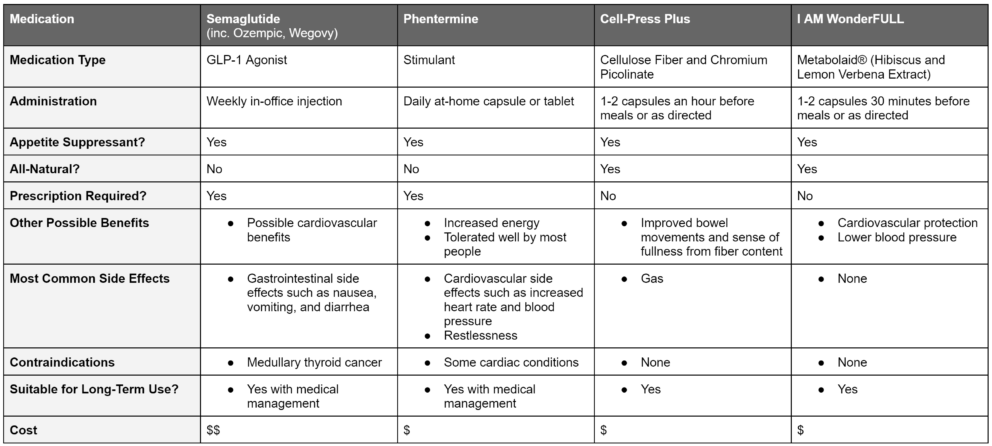
Frequently Asked Questions Can my doctor prescribe Ozempic specifically for weight loss if I don't have diabetes
Inject slowly down the vial wall to avoid foaming
Hands-On Manual Techniques Manual therapy techniques can relieve tension in the muscles, fascia, and connective tissues around the pelvis
If this occurs across multiple subjects, the treatment may incorrectly appear ineffective